When planning a train journey, understanding the differences between train classes can significantly enhance your travel experience. Each class offers distinct features, amenities, and pricing structures, making it crucial for travelers to choose the right option for their needs and budget. Whether you’re traveling for business, leisure, or family visits, knowing what each class entails helps in making informed decisions. This article will break down the various train classes available, helping you to select the best fit for your next adventure.
Overview of Train Classes
Train classes typically range from luxury to economy, catering to diverse passenger needs. First-class offers premium amenities, including spacious seating, complimentary meals, and exclusive lounges, ideal for business travelers or those seeking comfort. Business class, while slightly less luxurious, still provides a considerable upgrade from standard services, making it suitable for professionals. Economy class is the most budget-friendly option, offering basic seating and essential services but appealing to travelers focused on cost over comfort. Understanding these variations is essential for optimizing your travel experience.
First-Class Comfort
First-class travel is synonymous with luxury and comfort, designed for those willing to pay a premium for an exceptional experience. Passengers can expect larger seating areas, dedicated staff, and gourmet meal options. Many first-class coaches also have amenities such as private cabins, Wi-Fi access, and enhanced entertainment systems. Furthermore, the boarding process is often expedited, allowing for quicker entry and exit. This class appeals not only to business travelers looking to work in comfort but also to leisure passengers wanting to relax and enjoy the journey.
Business Class Features
Business class serves as a bridge between first class and economy, offering enhanced comfort without the full splurge of first-class fares. This option often includes wider seats, more legroom, and additional services like complimentary snacks and beverages. Business class coaches may also feature power outlets for electronic devices, making them suitable for professionals needing to stay connected while traveling. It is an excellent choice for those who prioritize comfort and functionality but don’t require the lavish amenities of first-class travel.
Standard Class: What to Expect
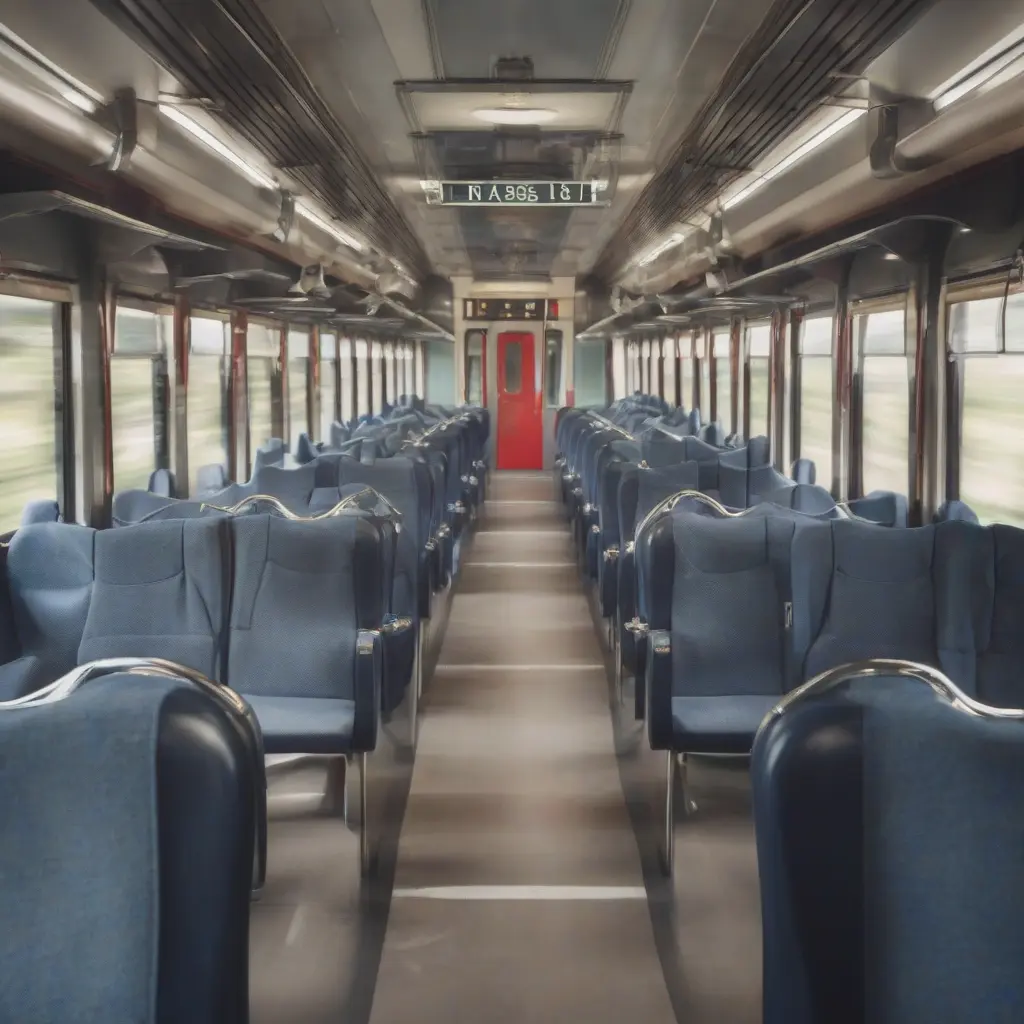
Standard class, often referred to as economy class, is the most economical option for many travelers. This class typically offers basic seating with minimal amenities but remains suitable for budget-conscious passengers. Seats may be narrower, and legroom could be less generous compared to higher classes. However, standard class often provides essential services like restrooms and sometimes food carts offering snacks for purchase. This option is popular for shorter journeys or for travelers who prefer to save money and invest it in their destination.
Sleeper Trains and Overnight Options
Overnight trains provide a unique travel experience, blending comfort and convenience for long-distance travel. Sleeper trains come with various options, usually ranging from luxury private cabins to shared sleepers. Travelers can enjoy resting during the journey, avoiding the hassle of overnight accommodations. Amenities on sleeper trains often include linen service, dining options, and lounges, making for a pleasant experience. This type of travel is particularly beneficial for those looking to maximize their time, allowing them to wake up at their destination refreshed.
Accessibility Considerations
When selecting a train class, it’s crucial to consider accessibility features, especially for passengers with mobility challenges. Many modern trains offer assistance and accommodations in all classes, including accessible seating and restrooms. First- and business-class cars frequently have more spacious layouts to aid movement. Additionally, stations often provide personnel to assist passengers to ensure a seamless boarding experience. Travelers should check specific train service providers for detailed accessibility options to make informed choices that cater to their needs.
Traveling With Children
Family travel adds another layer of complexity when selecting a train class. Children may require more space, entertainment, and assistance during the journey. First-class compartments often provide more room for families, along with premium amenities. Many operators offer special family deals or discounts in standard class, making it cost-effective. Children may also benefit from kid-friendly services or dedicated activities onboard, depending on the train line. Researching family policies can significantly impact the quality of your travel experience.
Food and Beverage Services
Dining experiences vary greatly across train classes. In first class, gourmet meals and premium beverages are often included in the ticket price, served at your seat or in dedicated dining areas. Business class may offer complimentary snacks and beverages alongside purchasable meal options. In contrast, standard class often features a food cart with basic snacks and drinks, available for purchase. Understanding the dining services associated with each class can enhance your travel experience, especially on long journeys. It’s essential to check with your train provider for specifics.
Cost Implications of Train Classes
Price is a significant factor when selecting a train class. First-class tickets typically carry the highest price tag, reflecting the luxury and amenities they offer. Business class provides a mid-range option, striking a balance between comfort and affordability. Standard class is the most budget-friendly, yet it can vary based on route and demand. Consider potential discounts and promotions, especially for early bookings or group travels. Analyzing your travel needs, alongside the budget, is crucial to making the most suitable choice.
Choosing the Right Class for Your Needs
Ultimately, the choice of train class should align with your travel purpose and budget. Business travelers might prefer the comfort and functionality of business class to maximize productivity, while leisure travelers may enjoy the luxury of first class. In contrast, standard class remains an excellent economical option for budget-conscious individuals or families. It’s important to assess not only the costs but also the overall experience you aim to achieve. By evaluating your specific needs, you can choose the most appropriate class for your train journey.
Conclusion
Understanding train class differences is essential for maximizing your travel experience and ensuring comfort on your journey. Each class offers unique benefits tailored to various passenger needs, whether it’s luxury, business-like efficiency, or budget-friendly options. By considering factors like amenities, comfort, accessibility, and budget, you can choose the right train class that suits your journey best.