Traveling by bus or train can significantly influence your overall travel experience. Each mode of transportation offers distinct advantages and disadvantages that cater to different preferences, budgets, and travel goals. Understanding the pros and cons of each can empower you to make the best choice for your next journey. This guide will break down the various aspects of bus and train travel, including cost, comfort, flexibility, and environmental impact, to help you navigate your options effectively.
Cost Comparison: Bus vs. Train Travel
Cost is often a major factor when deciding between bus and train travel. Typically, bus fares are more affordable than train tickets, making bus travel a popular choice for budget-conscious travelers. Additionally, many bus companies provide discounts and promotional fares, which can further reduce costs. Conversely, train travel tends to be pricier but often includes amenities such as Wi-Fi and onboard meals, which can add value to the trip. Evaluating your budget and weighing the included services can help you decide which mode offers better overall value.
Travel Times: Efficiency of Bus vs. Train
When it comes to travel times, trains generally offer a faster and more efficient option, especially on longer routes. Trains can reach higher speeds and tend to have fewer stops compared to buses, which can enhance the overall travel experience. However, factors like delays, traffic congestion, and distance between stations can affect bus travel times. At times, taking a bus may involve longer journeys due to these variables. Analyzing estimated travel times for specific routes can provide clarity on which option may suit your schedule better.
Comfort Levels: Traveling by Bus vs. Train
Comfort is a critical consideration for many travelers. Generally, trains tend to offer larger seats, more legroom, and the ability to move around more freely compared to most buses. Additionally, train cars often have quieter environments, which can make for a more pleasant experience. Buses may sometimes feel cramped, especially during peak travel times. However, the comfort offered by different operators can vary widely, so it’s advisable to do some research and read reviews to find the most comfortable option for your journey.
Flexibility and Scheduling: Bus vs. Train
Flexibility is another important factor when choosing between bus and train travel. Buses typically have more frequent departures throughout the day, providing travelers with a greater variety of options. Conversely, trains may have a more limited schedule, especially on less-traveled routes. This can make buses an ideal choice for spontaneous travelers or those needing last-minute arrangements. Additionally, with buses arriving at a variety of locations, passengers may have easier access to their final destinations without the need for additional transportation.
Environmental Impact: Buses vs. Trains
When it comes to environmental considerations, trains are often viewed as a more sustainable travel option compared to buses. The lower emissions associated with trains contribute to their reputation as a greener choice. However, modern buses have made strides in energy efficiency and reducing their carbon footprint. Both modes of transport typically have a lower impact compared to flying, but trains tend to facilitate a more efficient mass transit experience. Assessing personal values regarding sustainability can help inform your travel decisions.
Amenities Offered: Comparing Buses and Trains
Amenities can greatly enhance the travel experience, and this is another area where trains often have an edge. Many train services provide onboard amenities such as Wi-Fi, power outlets, dining options, and comfortable lounges. Buses may offer fewer amenities, although some can provide Wi-Fi and charging stations as well. It’s critical to check the specifics for each service provider, as these amenities can vary widely. For those who value onboard services, trains may provide a more enjoyable journey.
Accessibility Features: Bus vs. Train Travel
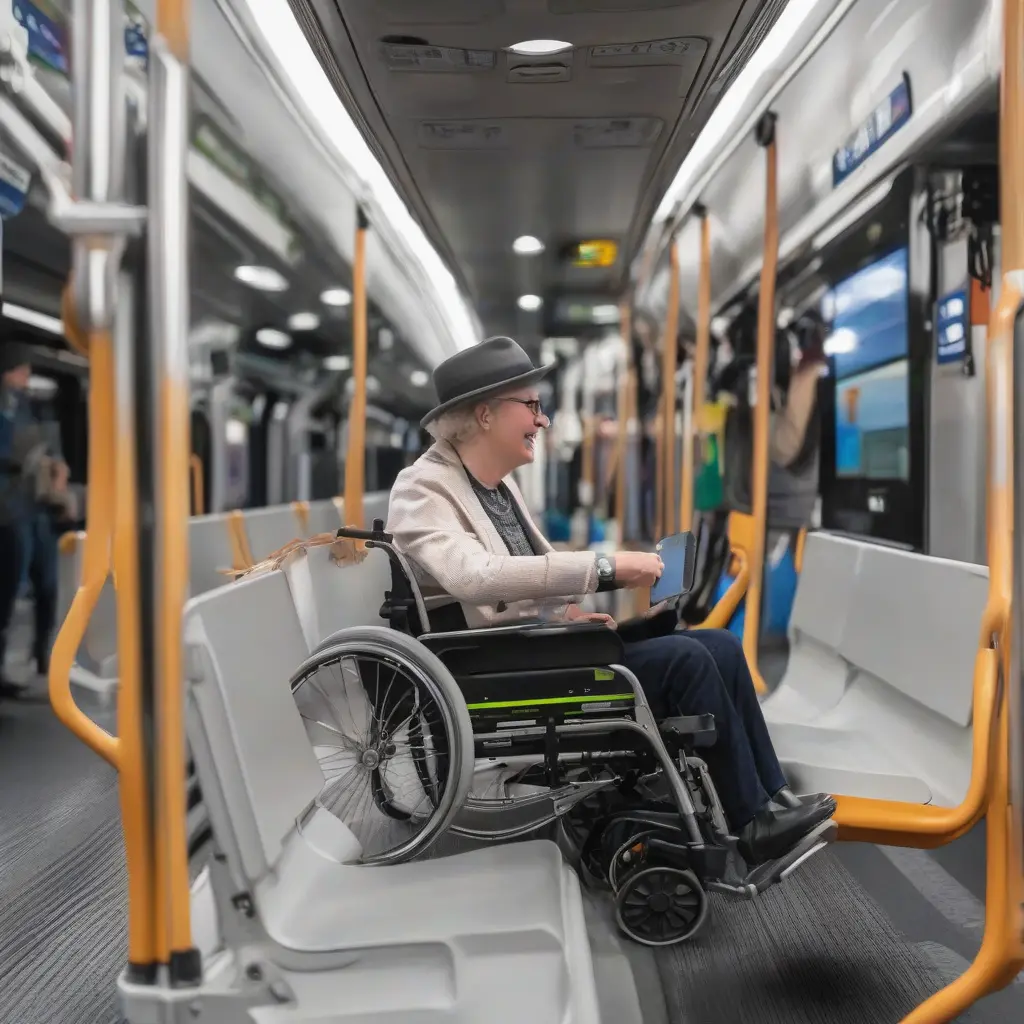
Accessibility is an essential aspect of travel for many individuals. Both buses and trains offer accommodations for disabled passengers, but the availability and quality of services can vary. Trains often have designated spaces for wheelchairs and may be equipped with ramps for easier boarding. Buses also strive for accessibility, although older vehicles may not always meet newer standards. Checking the accessibility features of specific services in advance is advisable for travelers with special needs.
Scenic Routes: Enjoying the Journey
Both bus and train journeys can provide beautiful scenery, but trains often traverse landscapes that offer breathtaking views. Many train routes are designed to highlight scenic vistas, allowing passengers to enjoy the natural beauty along the way. On the other hand, buses may also offer scenic routes, especially in rural or picturesque areas, although they may frequently navigate highways that lack the charm of routes less traveled. Choosing a train can enhance the visual experience of travel and make the journey as enjoyable as the destination.
Safety Considerations: Bus vs. Train
Safety is paramount when selecting a method of transportation. Statistically, trains are generally regarded as a safer option compared to buses. They experience fewer accidents and often have stricter safety regulations. However, bus travel is also relatively safe, with many companies adhering to rigorous safety standards. Ultimately, your comfort with either mode of travel may depend on personal experiences and perceptions. Checking the safety records of specific companies can provide additional peace of mind.
Conclusion
Choosing between bus and train travel involves a careful consideration of various factors, including cost, comfort, travel times, and amenities. Each mode of transport has its unique advantages and disadvantages, making the right choice highly dependent on personal preferences and travel goals. By assessing these aspects, travelers can make informed decisions that enhance their overall travel experience, ensuring that they enjoy their journeys as much as their destinations.