Traveling by train can be a delightful experience, providing access to stunning landscapes and efficient transport. However, for disabled travelers, ensuring accessibility is essential for a comfortable journey. This article explores various accessibility options that enhance train travel for individuals with disabilities. From station facilities to onboard services, understanding what accommodations are available can make a significant difference. Here, we will cover key areas such as booking assistance, accessible train designs, and helpful resources to ensure a seamless travel experience.
Understanding Train Accessibility Standards
Train systems around the world have increasingly adopted accessibility standards to support disabled travelers. Regulations mandate that trains and stations provide facilities such as ramps, elevators, and accessible restrooms. This ensures that individuals with mobility challenges can navigate the premises with ease. Accessibility laws may differ by region; hence, checking local guidelines is essential. Attendees should also be informed about specific policies governing accessibility features in their destination, ensuring a well-prepared travel itinerary.
Booking Accessible Train Tickets
When planning a train journey, booking accessible tickets is crucial for disabled travelers. Most railway companies provide dedicated services to assist with ticket purchasing, ensuring that travelers request accommodations like reserved seating or wheelchair space. It is advisable to make these arrangements in advance, as availability may be limited. Websites and apps often feature accessibility options or filters, making the booking process more manageable. Moreover, travelers can contact customer service directly to clarify any specific needs or requirements.
Accessing Assistance at Train Stations
Upon arrival at a train station, disabled travelers can often access dedicated assistance services. Many stations offer personnel trained to help with boarding, disembarking, and navigating through the station. It is advisable to inform the railway company of any assistance needed at least 24 hours before travel. Accessibility information can usually be found on the station’s website, detailing available services such as mobility aid rentals or specialized transportation options to nearby attractions.
Features of Accessible Trains
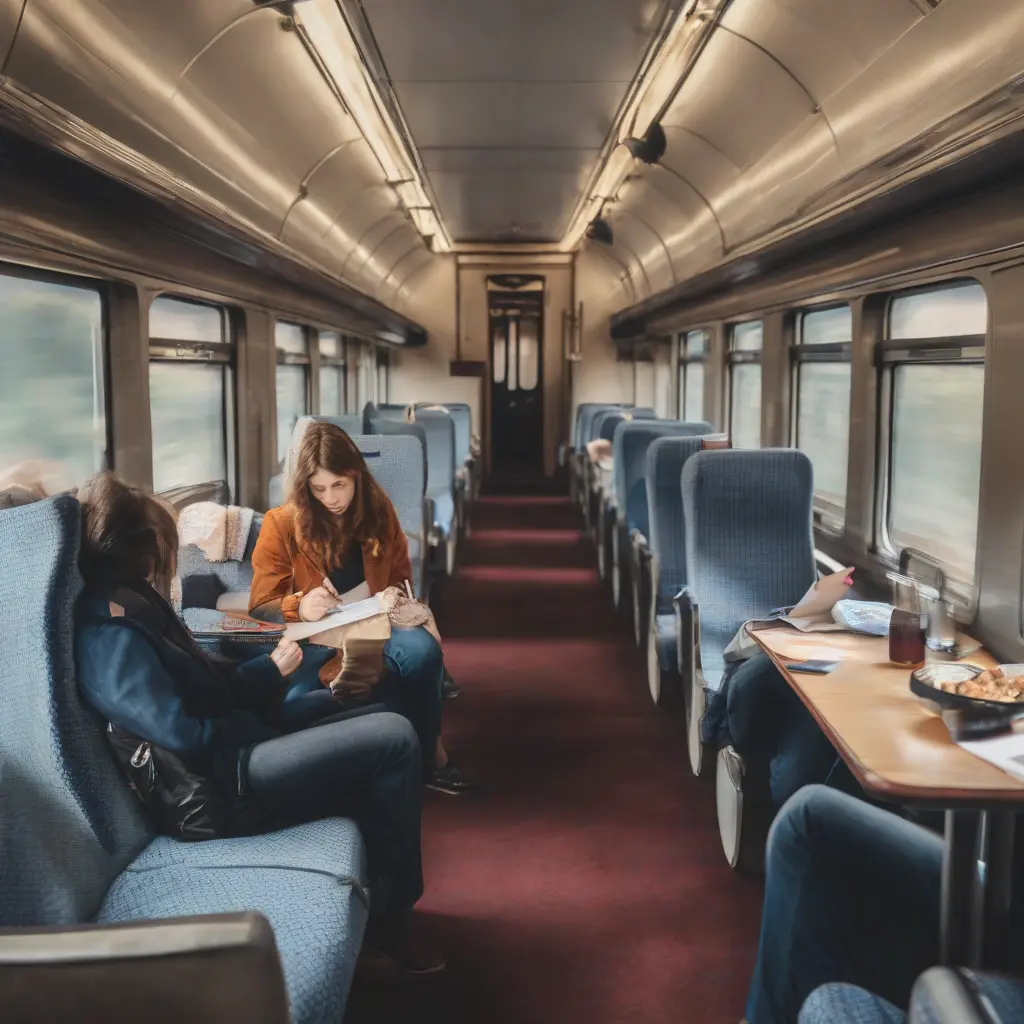
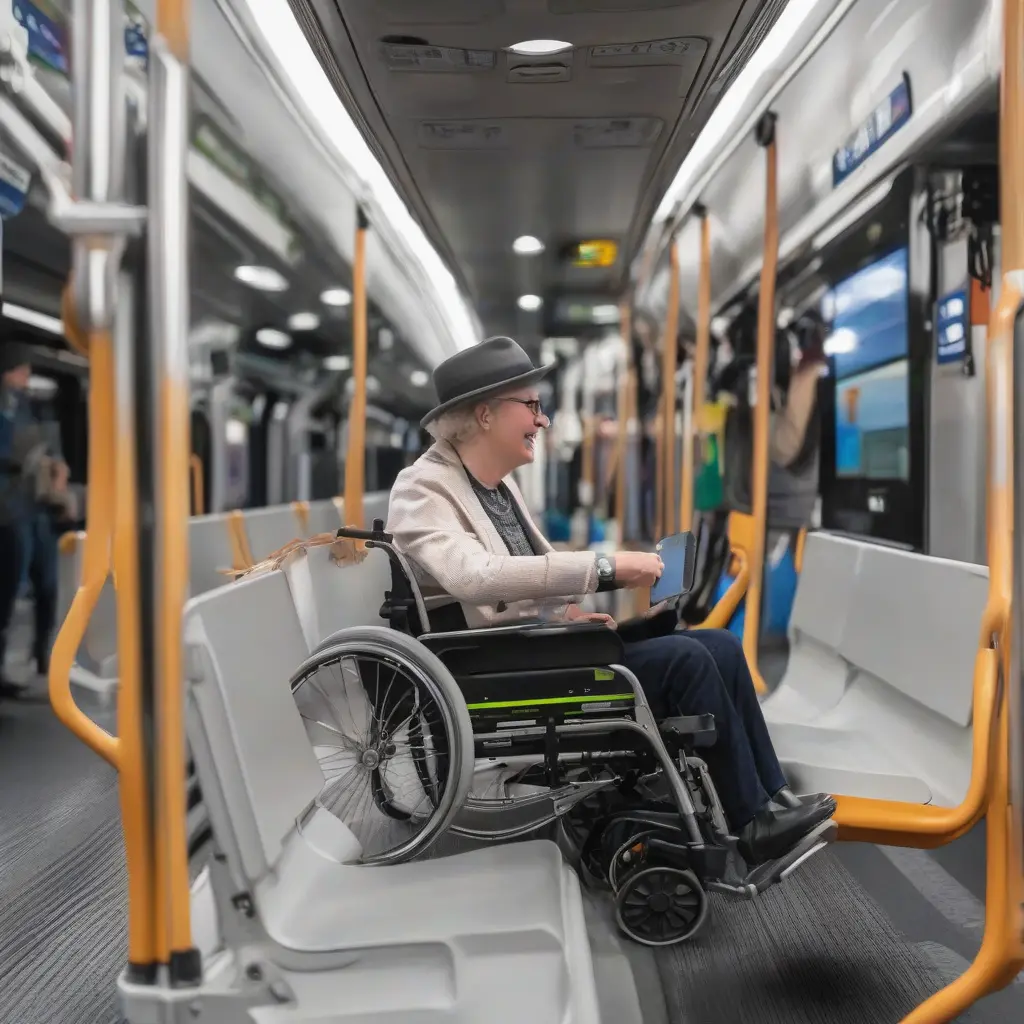
Accessible trains are designed with features that enhance comfort and usability for disabled passengers. Common features include spacious seating arrangements, accessible bathrooms, and priority seating zones. Some modern trains offer visual and auditory announcements for stops and services, assisting visually or hearing-impaired travelers. It is beneficial to verify specific train models’ accommodations, as not all trains possess the same accessibility attributes. Checking user reviews or experiences can provide valuable insights into the train travel experience.
Navigating Train Platforms
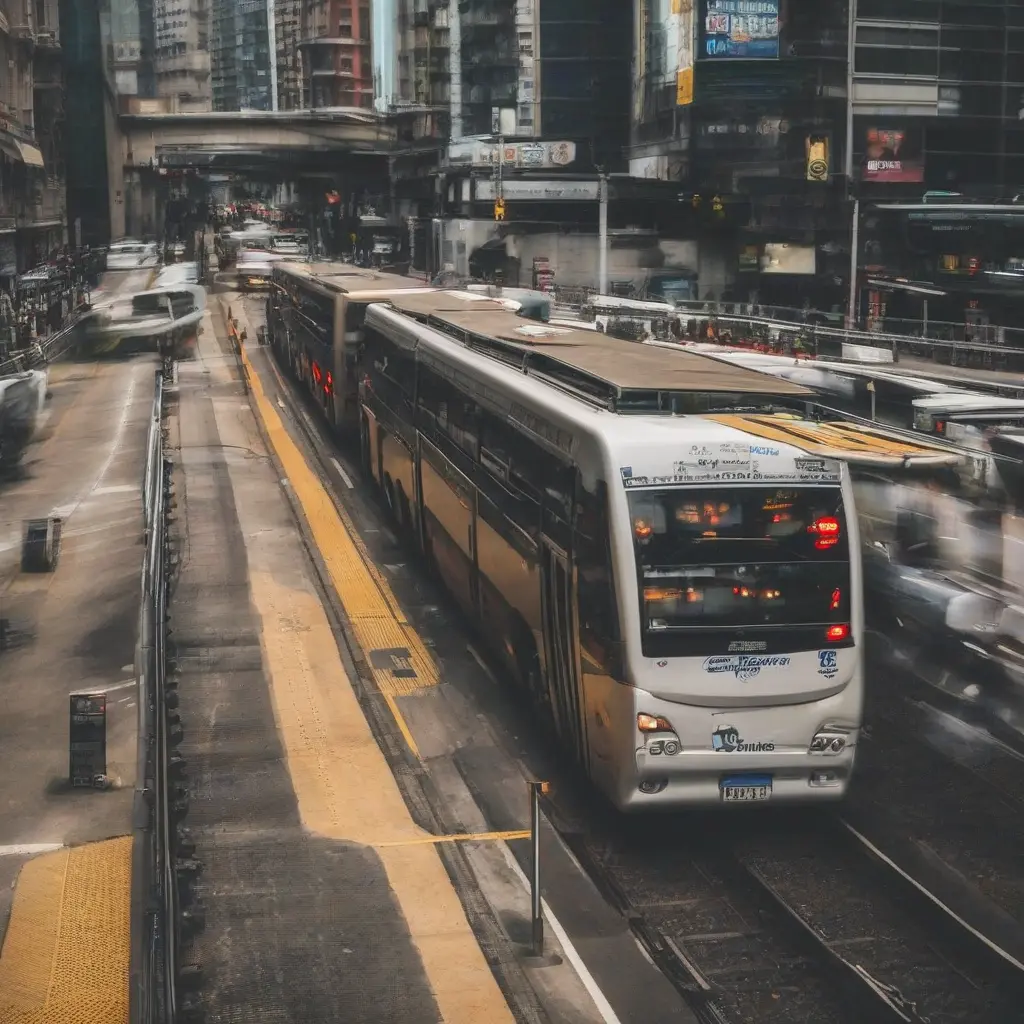
Train platforms can pose challenges for disabled travelers, especially when it comes to accessing trains. Many platforms now include features like tactile paving, audible signals, and dedicated pathways for easier navigation. It is important for travelers to be aware of height differences between trains and platforms, which can vary. In instances requiring assistance, station staff are usually available to help bridge the gap. Travelers are encouraged to familiarize themselves with platform layouts ahead of time, facilitating smoother transitions.
Accessible Travel Policies of Major Train Companies
Different train companies establish their own policies regarding accessibility, and familiarizing oneself with these can prove beneficial. Major train operators typically publish detailed information about their accessibility commitments, reflecting a dedication to creating inclusive travel environments. These policies often encompass procedures for assistance, services for hearing and visually impaired passengers, and provisions for service animals. Reviewing this information in advance helps travelers understand their rights and the resources available to them during their journeys.
Technology Enhancements for Disabled Travelers
Technology continues to revolutionize accessibility in train travel, providing invaluable tools for disabled passengers. Mobile applications are designed with user-friendly features, including route planning, schedule notifications, and real-time assistance requests. Furthermore, some applications integrate navigation assistance through image recognition and augmented reality, making it easier to find station amenities. Leveraging these technological advancements can significantly enhance the travel experience, making journeys more independent and stress-free for disabled individuals.
Traveling with Service Animals
For many disabled travelers, service animals are crucial companions that assist in daily activities. Train companies usually have policies in place regarding service animals, allowing them to travel alongside their handlers. It is important to understand the specific regulations governing service animals to avoid complications during travel. Travelers should carry appropriate documentation, such as identification or training certificates, to ensure a smooth boarding process. Familiarizing oneself with pet policies can help set clear expectations for the journey.
Feedback and Improvement of Accessibility Services
Passenger feedback is essential in shaping and improving accessibility services across train systems. Many rail companies actively encourage disabled travelers to voice their experiences and suggestions regarding accessibility. This feedback loop allows organizations to identify areas needing improvement and implement necessary changes. Engaging in surveys, forums, or direct feedback channels can lead to more inclusive practices and policies. By participating in this dialogue, travelers can help drive meaningful changes in their future journeys.
Conclusion
Exploring accessibility options for disabled travelers on trains unveils a range of accommodations that facilitate smoother journeys. By understanding booking processes, available assistance, and onboard features, disabled travelers can navigate train travel with increased confidence. As rail systems evolve, the emphasis on accessibility continues to grow, ensuring that all passengers can enjoy the many benefits of rail travel, regardless of their physical limitations. It is crucial to stay informed and advocate for improvements to create a more inclusive travel environment for everyone.