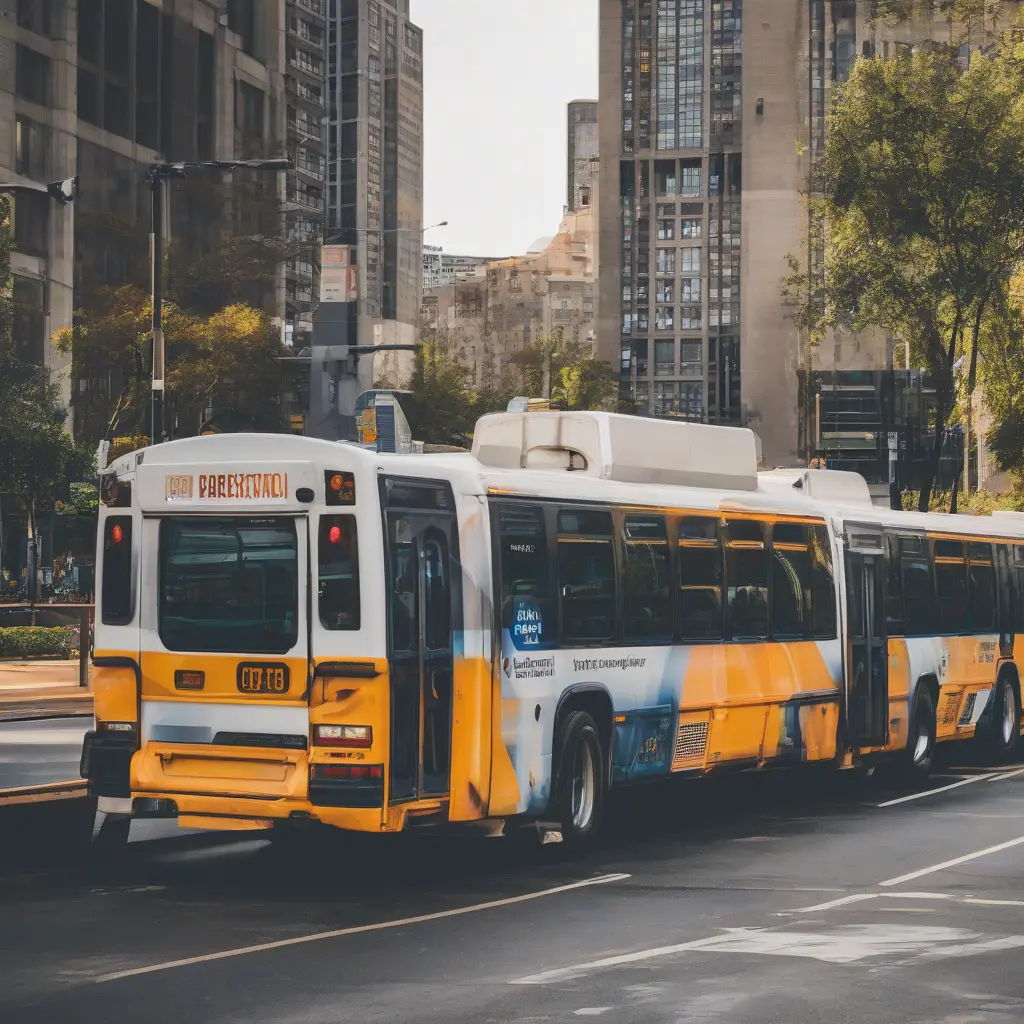
Traveling alone on public buses can be an empowering experience, providing an opportunity to explore new places while meeting interesting people. However, safety should always be a priority for solo travelers. By following a few key safety tips, you can ensure that your journey is not only enjoyable but also secure. This article offers a comprehensive guide on how to keep yourself safe while navigating public transportation alone, with strategies that range from planning your route to remaining aware of your surroundings.
Plan Your Route in Advance
Before embarking on your journey, take time to research and plan your route. Familiarize yourself with the bus schedule, stops, and any transfers you may need to make. Utilize apps or maps dedicated to public transportation. Knowing where to get on and off will not only make you feel more confident but also help you avoid getting lost in an unfamiliar city. This preparation can significantly minimize the chances of unexpected situations that could compromise your safety.
Keep Your Valuables Secure
To enhance your safety while traveling alone, make sure to keep your valuables secured and out of sight. Use a crossbody bag or a backpack that zips closed, placing your wallet, phone, and other essential items inside. Avoid showing expensive gadgets or jewelry in public spaces to reduce the risk of theft or unwanted attention. Being discreet with your belongings can go a long way in keeping them safe, allowing you to focus on enjoying your journey.
Choose a Safe Seat
When you board the bus, be mindful of where you choose to sit. Opt for seats closer to the driver or near other passengers, as these locations tend to be safer. Sitting in the back or on the aisle near exits might expose you to potential risks. If possible, choose seats that allow you to maintain sightlines to the door and other passengers. This situational awareness can help you respond swiftly if something feels off during your ride.
Stay Aware of Your Surroundings
Maintaining awareness of your surroundings is crucial for safety while traveling alone on public buses. Avoid immersing yourself in your phone or entertainment, as this can distract you from what’s happening around you. Instead, make a habit of observing other passengers and the overall environment. If you notice anything suspicious or feel uncomfortable, do not hesitate to alert the bus driver or move to a different seat. Keeping your senses sharp can prevent potentially unsafe situations.
Travel During Busy Hours
When possible, consider scheduling your travel during peak hours when buses are more crowded. Busier times often mean more eyes on the bus, which can deter improper behavior by other passengers. Additionally, if you feel anxious about traveling alone, a crowded bus can provide a sense of community and security. However, always be aware that larger crowds can occasionally lead to pickpocketing, so remain vigilant about your belongings even in busier settings.
Inform Someone of Your Travels
Before you head out, inform a friend or family member about your travel plans, including your route and expected arrival times. This not only ensures someone is aware of your whereabouts but also provides you with an added layer of security. Using tracking apps that allow loved ones to follow your location in real-time can also be beneficial. This simple step can give both you and your loved ones peace of mind during your solo travels.
Trust Your Instincts
Always trust your instincts when it comes to your safety. If something doesn’t feel right, it’s essential to listen to that inner voice. Whether it means changing your seat, getting off the bus early, or avoiding certain areas, prioritizing your gut feelings is critical. Your intuition often senses things that your rational mind may overlook. Confidence in your instincts will empower you to make safer choices during your travels.
Know Emergency Procedures
Familiarizing yourself with the emergency procedures for the bus service you’re using can enhance your safety. Most buses have emergency buttons that alert the driver or personnel to any issues. Make yourself aware of these processes in advance. Additionally, memorizing or noting down important phone numbers, like local emergency services, can be beneficial in case you need to reach out for help quickly. Knowing how to respond in emergencies will give you confidence while traveling.
Avoid Traveling Late at Night
Solo travel late at night can pose unique challenges and risks, especially on public buses. If possible, try to schedule your travels during daylight hours when there are more people around. If you must travel late, select well-lit, populated stops and stick to routes known to be safer. Consider using rideshare services or taxis if you feel uncomfortable waiting for a bus. Always prioritize your safety when planning travel times.
Keep Emergency Contacts Handy
In case of emergencies, having a list of important contacts readily available can be invaluable. Store important numbers, such as those of friends, family, or local authorities, in your phone and also carry a physical copy. This preparation ensures you can quickly reach out for help if needed. Additionally, familiarize yourself with the local area, including the locations of nearby police stations or hospitals, which can be crucial during any unexpected situations.
Conclusion
Traveling alone on public buses can be a rewarding way to explore new destinations, but it is essential to prioritize your safety. By following these tips—planning your route, staying aware of your surroundings, and trusting your instincts—you can enjoy a secure and fulfilling travel experience. Remember, preparation and mindfulness are key to making the most of your solo bus travels.