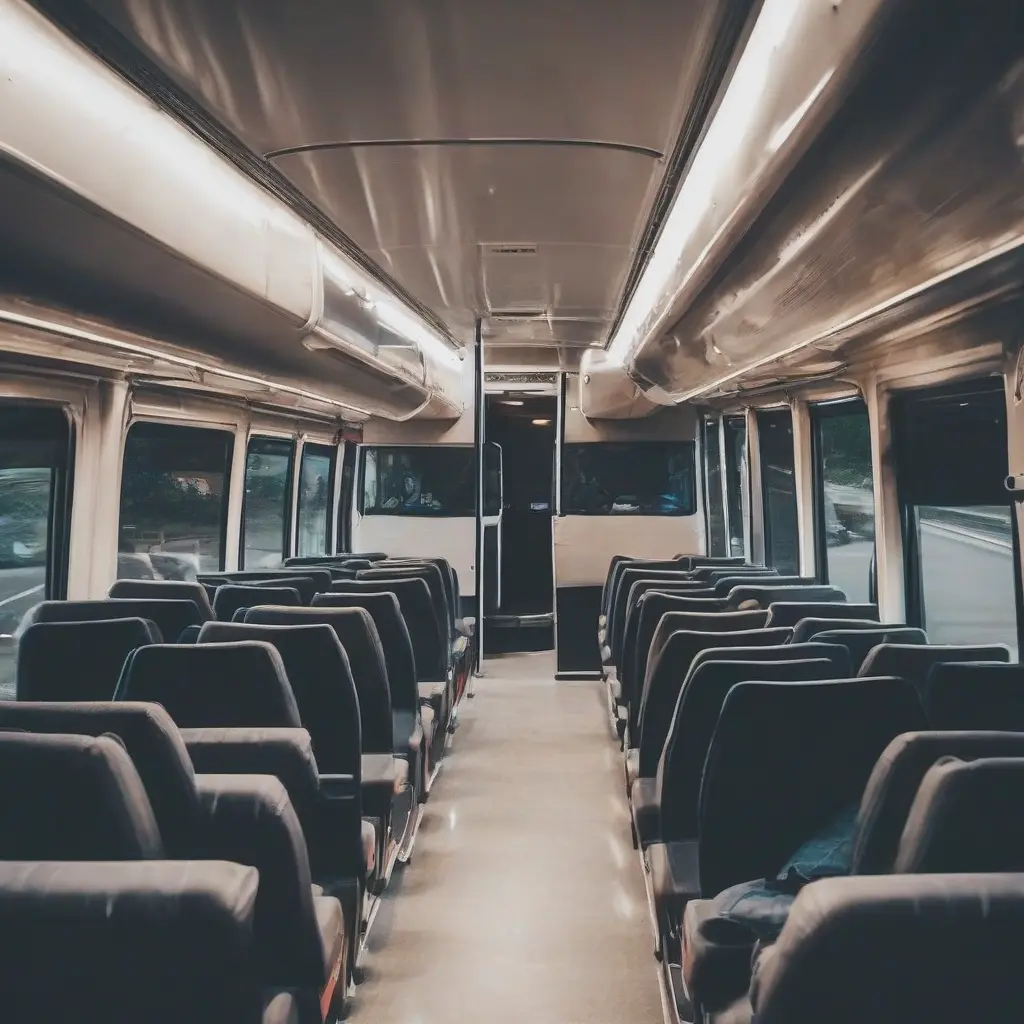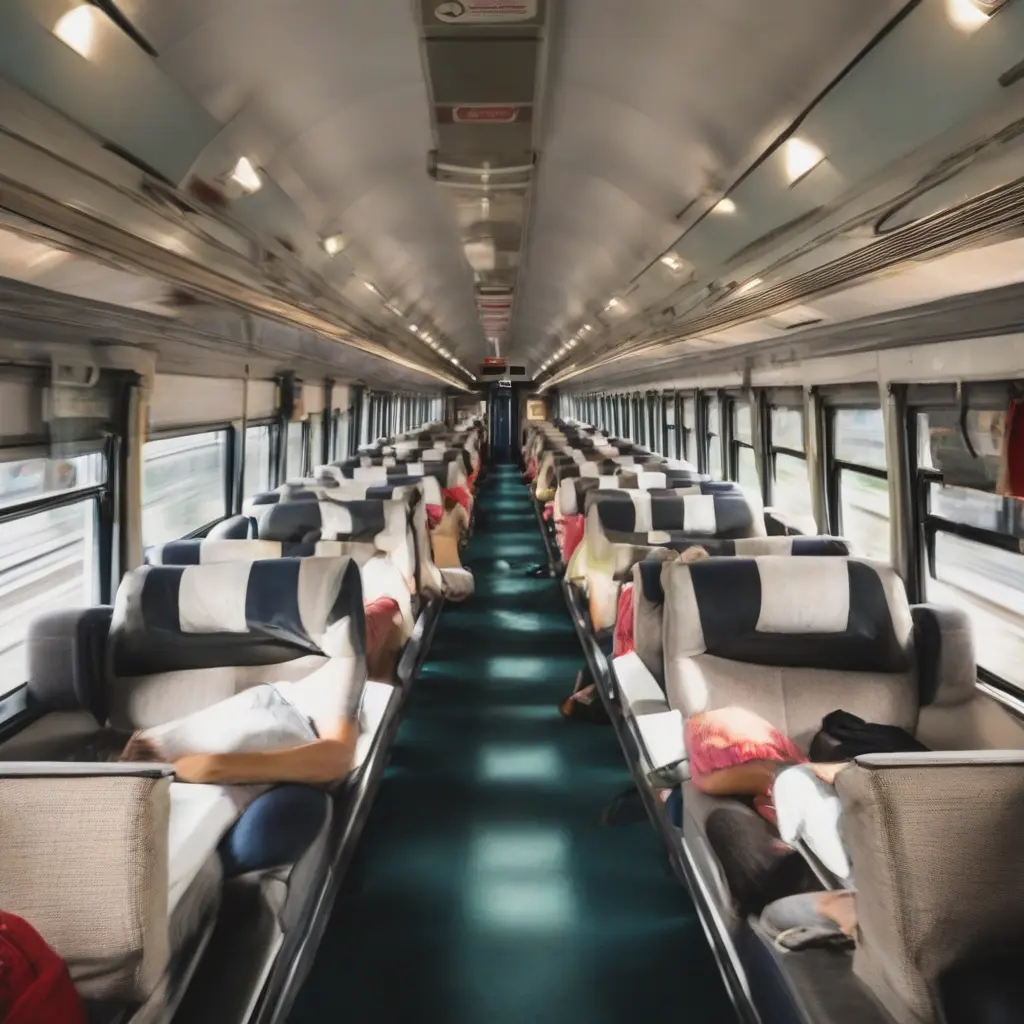
As awareness of environmental issues grows, travelers are increasingly seeking sustainable transportation methods. Train travel emerges as a more eco-friendly alternative compared to flying, primarily due to its lower carbon footprint. Not only does it contribute less to greenhouse gas emissions, but it also reduces congestion and promotes energy efficiency. Additionally, train systems generally utilize electricity, which can be derived from renewable sources, making them less harmful to the planet. Exploring the various aspects that highlight the sustainability of train travel can provide valuable insights into making greener travel choices.
Lower Carbon Footprint of Train Travel
Train travel has a significantly lower carbon footprint compared to air travel. Research indicates that trains produce, on average, 45% less carbon dioxide per passenger mile than planes. This difference primarily stems from the energy efficiency of trains, which can carry large numbers of passengers simultaneously with lower energy inputs. Additionally, modern electric trains often run on renewable energy sources, further minimizing their environmental impact. This sustainable aspect makes train journeys a compelling alternative for environmentally conscious travelers seeking to reduce their carbon emissions.
Energy Efficiency of Rail Transport
Rail transport is inherently more energy-efficient than air travel, mainly due to the physics of motion. Trains glide on tracks, requiring less energy to overcome friction compared to airplanes that must achieve lift. The efficiency of trains increases with passenger numbers. For instance, a packed train uses less energy per passenger than a half-empty flight. This superior energy utilization demonstrates how train travel can play a significant role in decreasing overall transportation energy demands, contributing to a more efficient travel ecosystem.
Impact on Urban Congestion
Choosing train travel over flying also positively affects urban congestion. Airports are often surrounded by traffic snarls, especially during peak travel times, leading to increased emissions from idling cars and reduced air quality. Trains, however, operate in a dedicated system, allowing for smoother transitions between cities and minimizing delays. By alleviating the burden on road systems and urban infrastructure, train travel plays a crucial role in fostering healthier urban environments while enabling efficient movement of people.
The Role of Electric Trains
Electric trains exemplify a significant leap towards sustainable transportation. Many rail networks are transitioning from diesel to electric systems, dramatically lowering carbon emissions. Electric trains can be powered by renewable energy sources like wind, solar, and hydroelectric power. This accessibility of clean energy means that the future of train travel holds potential for an even smaller environmental footprint. As technology advances and more electric options become available, the sustainability of rail transport will be heightened, reinforcing its role in eco-conscious travel.
The Benefits of Scenic Routes
Beyond sustainability, train travel offers a unique opportunity to appreciate scenic views along routes that air travel cannot provide. Passengers can witness landscapes, cities, and natural wonders up close, transforming the journey into a memorable experience. Scenic train routes provide a slower pace that encourages mindfulness and enjoyment of the surroundings. This immersive engagement allows travelers to connect with places in ways that flying simply cannot, enhancing the overall travel experience while promoting sustainable choices.
Travel Accessibility and Inclusivity
Train travel is often more accessible and inclusive compared to flying, catering to various travelers’ needs. Stations typically offer better facilities for people with mobility issues compared to crowded airports, allowing for a more comfortable journey. Additionally, many trains feature spacious seating, more legroom, and the ability to move about freely. This inclusivity makes train travel favorable for families, elderly passengers, and those with disabilities, reinforcing its position as a sustainable travel option that prioritizes the experience of all individuals.
Regulatory Support for Sustainable Rail Initiatives
Governments worldwide are increasingly recognizing the need for sustainable transport solutions and are investing in rail infrastructure. The promotion of high-speed trains and regional rail networks illustrates a commitment to reducing reliance on air travel. Policies encouraging the use of trains can lead to subsidies for rail operators and improvements to existing systems, making rail travel a more appealing option. As regulatory support grows, so does the potential for further advancements in sustainable rail travel, ultimately benefiting travelers and the environment alike.
Training and Adoption of Sustainable Practices
The rail industry is actively working to adopt greener practices that lessen environmental impacts. Initiatives like energy-efficient train designs, reduced waste on trains and at stations, and the use of biodegradable materials reflect this commitment. Training staff on sustainable operational practices ensures a consistent approach throughout the industry. These conscious strategies lead to a more environment-friendly rail experience, aligning the industry’s goals with global sustainability efforts, making train travel an even more responsible choice.
The Future of Sustainable Train Travel
As global awareness of climate change intensifies, the future of train travel looks promising. Innovations in technology and design are pushing the boundaries of energy efficiency, with developments like hydrogen and battery-powered trains on the horizon. These advancements will further decrease reliance on fossil fuels, enhancing the appeal of trains as a go-to option for eco-conscious travelers. With initiatives focusing on sustainability, the rail industry is poised to play a significant role in reducing the overall environmental impact of transportation in the coming decades.
Conclusion
In conclusion, train travel stands out as a more sustainable alternative to flying, offering numerous environmental, social, and economic benefits. With lower carbon emissions, energy efficiency, and a focus on inclusivity, trains position themselves as a responsible choice for future travel. As the industry continues to evolve and innovate, choosing trains over planes is a step towards more sustainable travel practices, ensuring that future generations can enjoy the beauty of our planet while protecting it.