Navigating train systems around the world can be both an enjoyable and daunting experience. With diverse rail networks, ticketing systems, and cultural practices, understanding how to efficiently travel by train is essential. This guide aims to provide travelers with the knowledge and tips needed to navigate various train systems effectively, ensuring a smooth journey whether you’re traveling through Europe, Asia, or North America.
Understanding Train Class Systems
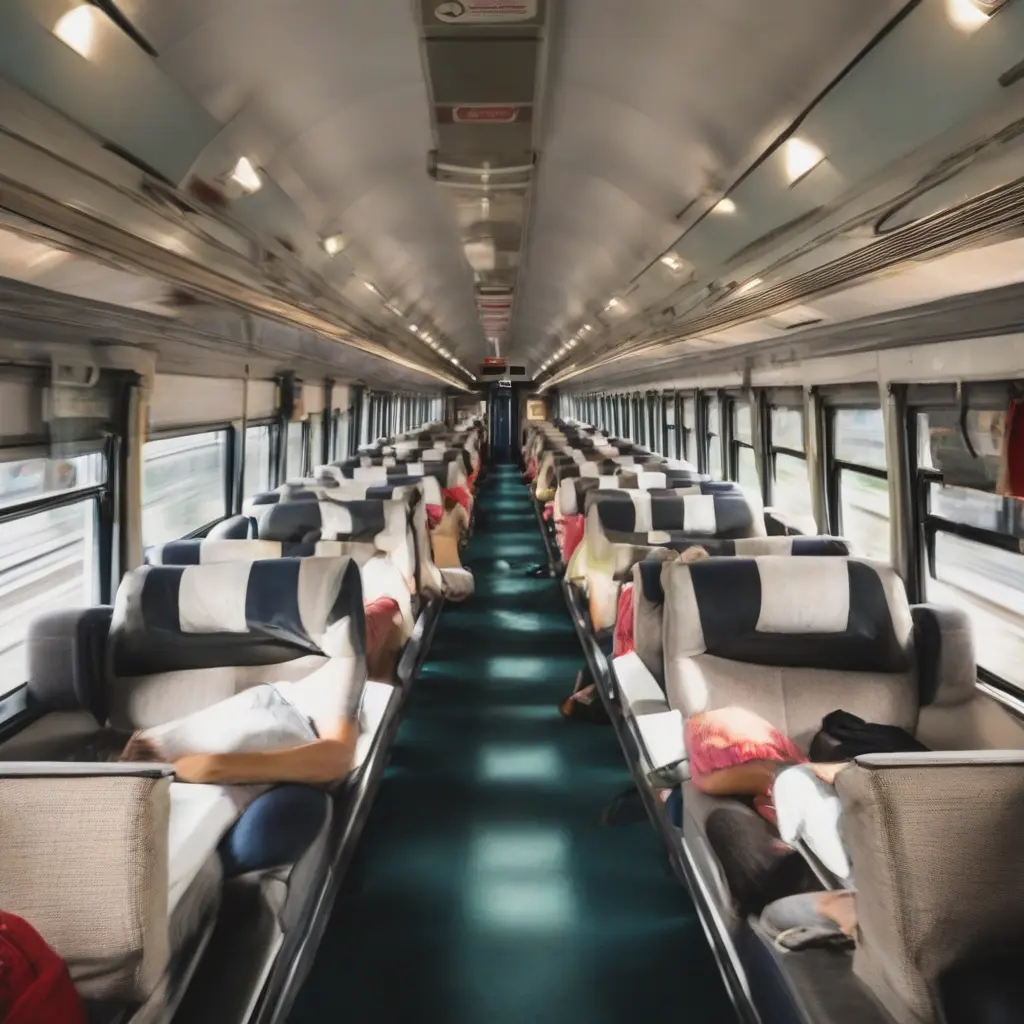
Different train systems categorize their services into classes, often defined by comfort and amenities. In many countries, trains are categorized into first, second, and sometimes even third class. First-class offers spacious seating, gourmet meals, and personalized service, while second-class may be more budget-friendly but still comfortable. Understanding these classes helps travelers choose the right ticket for both their budget and travel style.
Ticketing Systems: Online vs. Offline
Ticket purchasing varies significantly across regions, with some systems favoring online reservations while others rely on physical ticket booths. Online booking offers convenience as travelers can often find better deals and avoid long lines. However, in places where internet access is limited or language barriers exist, purchasing tickets offline can be more practical. It’s crucial to research the most effective ticketing method for each train system you’ll encounter.
Types of Trains: High-Speed vs. Regional
Trains can be broadly categorized into high-speed and regional options. High-speed trains, prevalent in countries like Japan and France, can drastically reduce travel times between major cities. On the other hand, regional trains connect smaller towns and cities, providing a scenic view of the countryside. Understanding the difference helps travelers plan routes and effectively allocate time for their journeys.
Train Station Navigation Tips
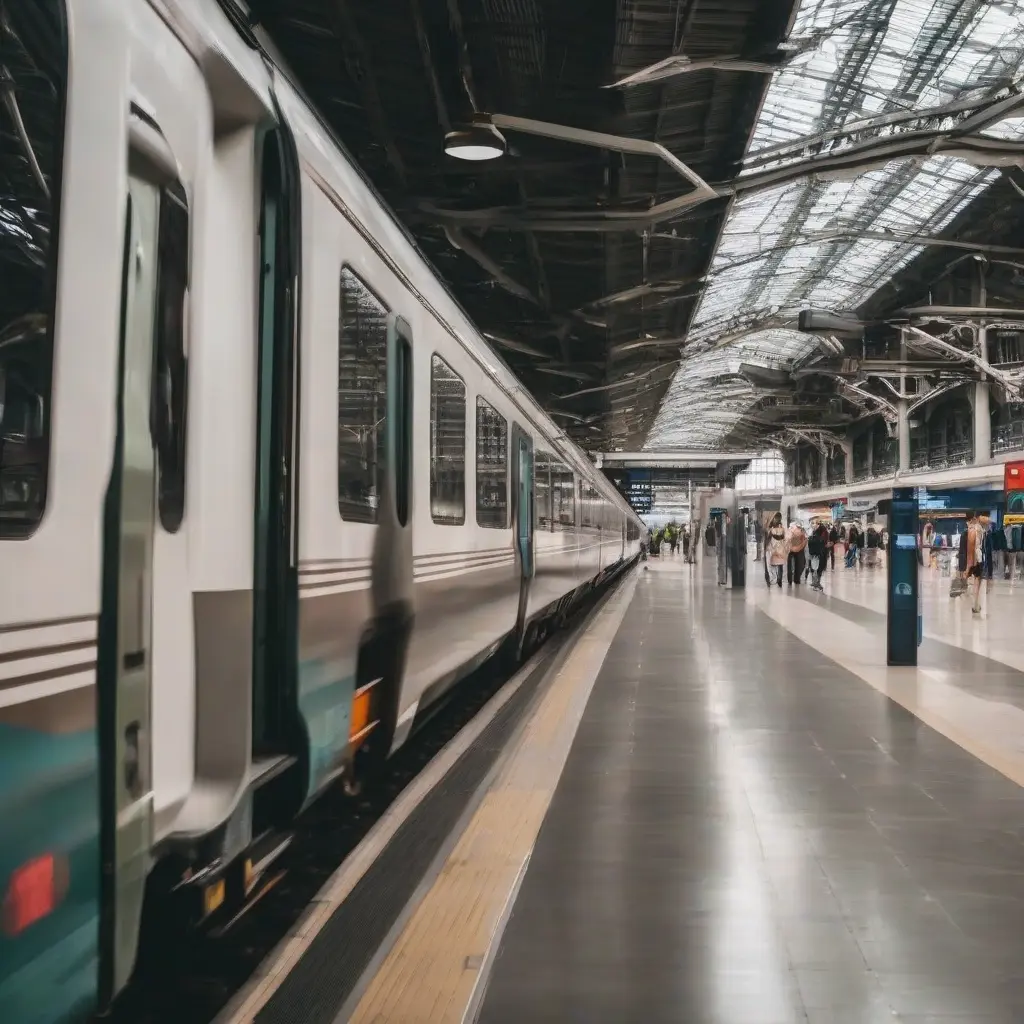
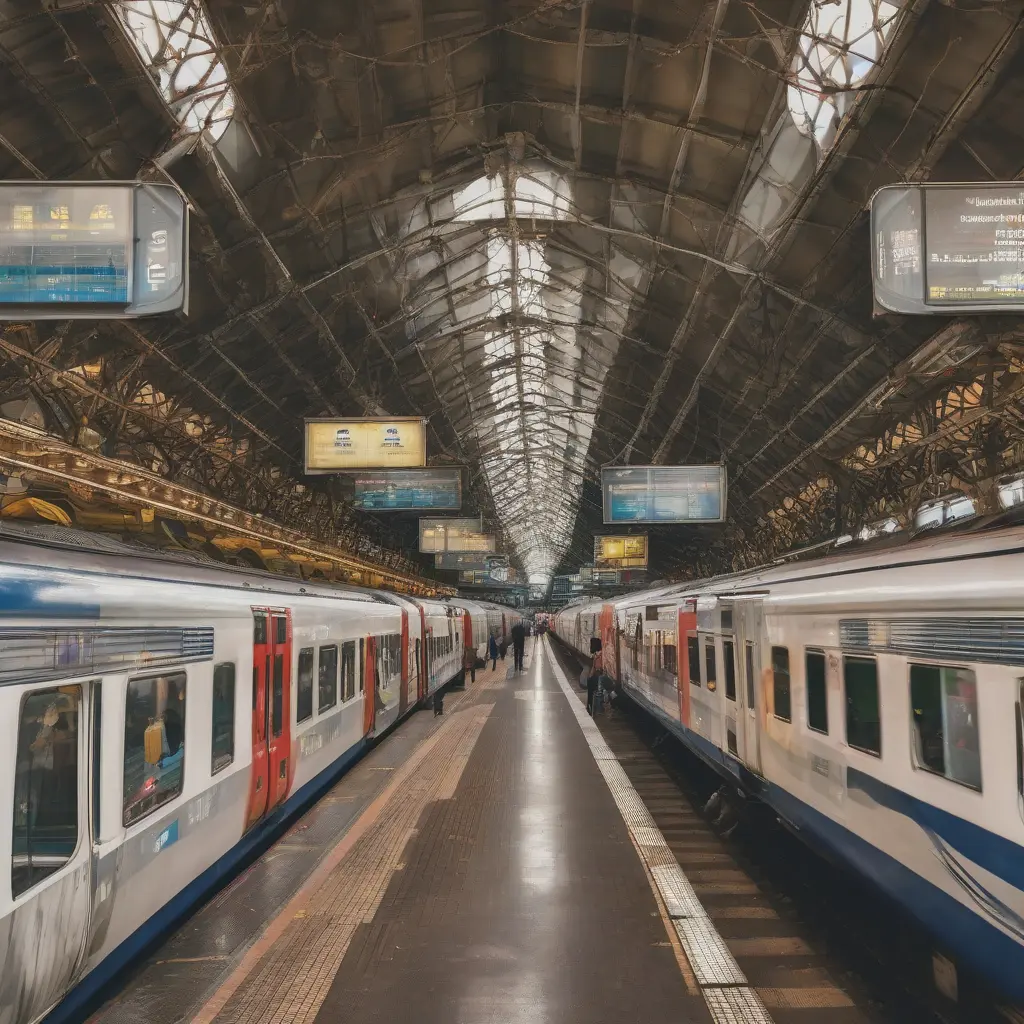
Train stations can be complex hubs filled with numerous platforms, services, and languages. Upon arrival, take a moment to familiarize yourself with the station layout, often available on signage or maps. Look for digital boards displaying train schedules, platform numbers, and any delays. Additionally, staff members are generally available to assist. A solid understanding of station logistics can enhance your overall travel experience.
Packing Essentials for Train Travel
General packing strategies for train travel prioritize comfort and convenience. Consider bringing lightweight luggage that can easily be stored in overhead compartments. Packing snacks, a refillable water bottle, and entertainment such as books or downloads on your devices can significantly enhance your journey. Additionally, always carry essential items like identification, tickets, and a power bank for your devices during longer travels.
Cultural Etiquette: Do’s and Don’ts
Train travel comes with its own set of cultural norms, which vary from country to country. In Japan, for example, talking on mobile phones in quiet cars is frowned upon, while in Italy, it’s polite to greet fellow passengers. Familiarizing yourself with these etiquettes ensures respectful interactions and a more enjoyable travel experience. Researching regional customs beforehand can help avoid inadvertently causing offense.
Safety Tips While Traveling by Train
Safety should be a priority for train travelers. Keep your belongings secure; use backpacks that can be zipped closed and remain vigilant in crowded areas. It’s wise to be cautious when accepting help from strangers and to be aware of emergency protocols for your specific train service. Ensuring that you know the location of emergency exits and safety equipment can also provide peace of mind during your journey.
Accessibility Features on Modern Trains
Contemporary train systems are increasingly designed with accessibility in mind, providing services such as ramps, designated seating, and priority boarding for travelers with disabilities. Understanding these features can make travel easier for those requiring assistance. Before embarking on your journey, check the specific train service’s availability of accessibility options, as these can vary between companies and routes.
Environmental Benefits of Train Travel
Traveling by train presents numerous environmental benefits compared to other forms of transport such as cars or airplanes. Trains typically produce lower carbon emissions per passenger mile and reduce road congestion. Choosing train travel contributes to eco-friendly practices, making it a sustainable option for long-distance travel. Embracing public transportation not only benefits individual travelers but also the planet as a whole.
Conclusion
Navigating different train systems around the world may seem overwhelming, but with the right preparation and knowledge, it can be a rewarding experience. By understanding ticketing systems, train classes, and cultural etiquettes, travelers can enhance their journeys significantly. Whether traveling for leisure or business, efficient train travel adds convenience and enjoyment to exploring the world.