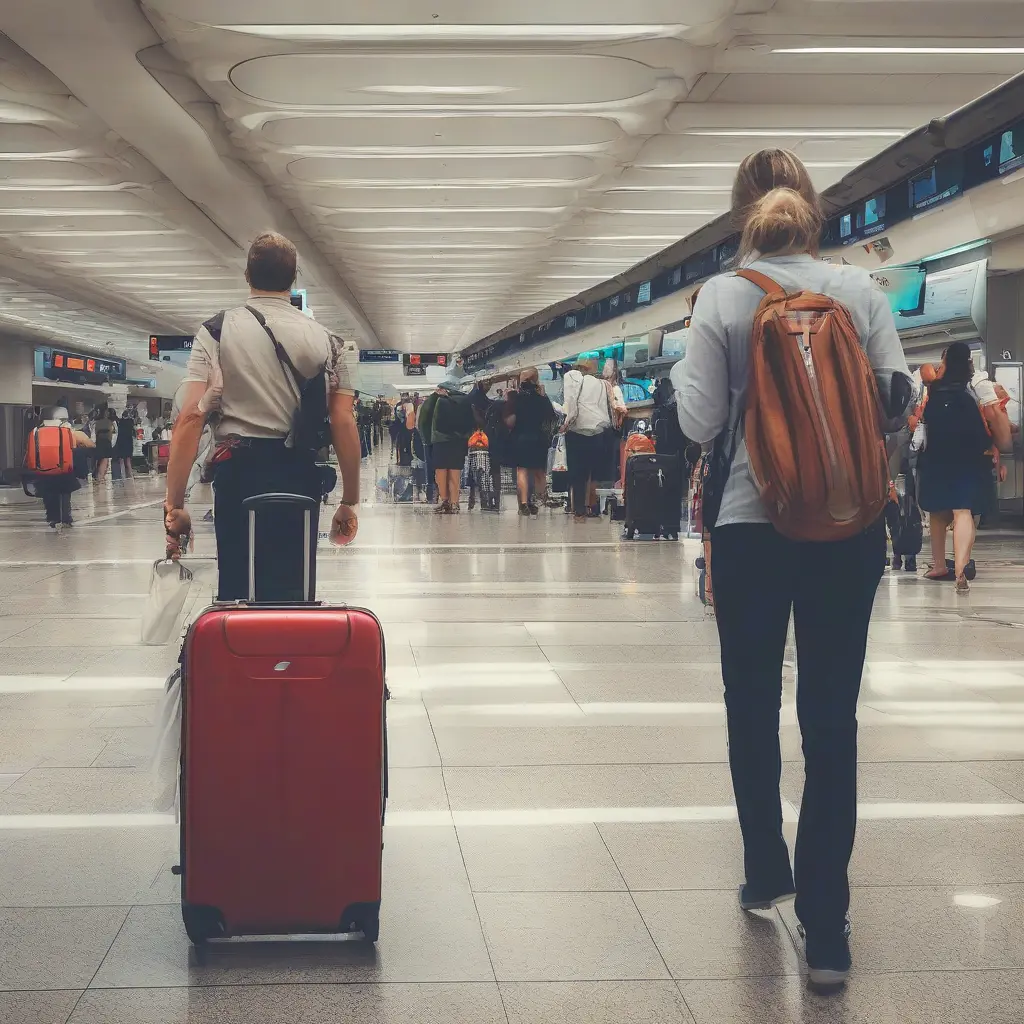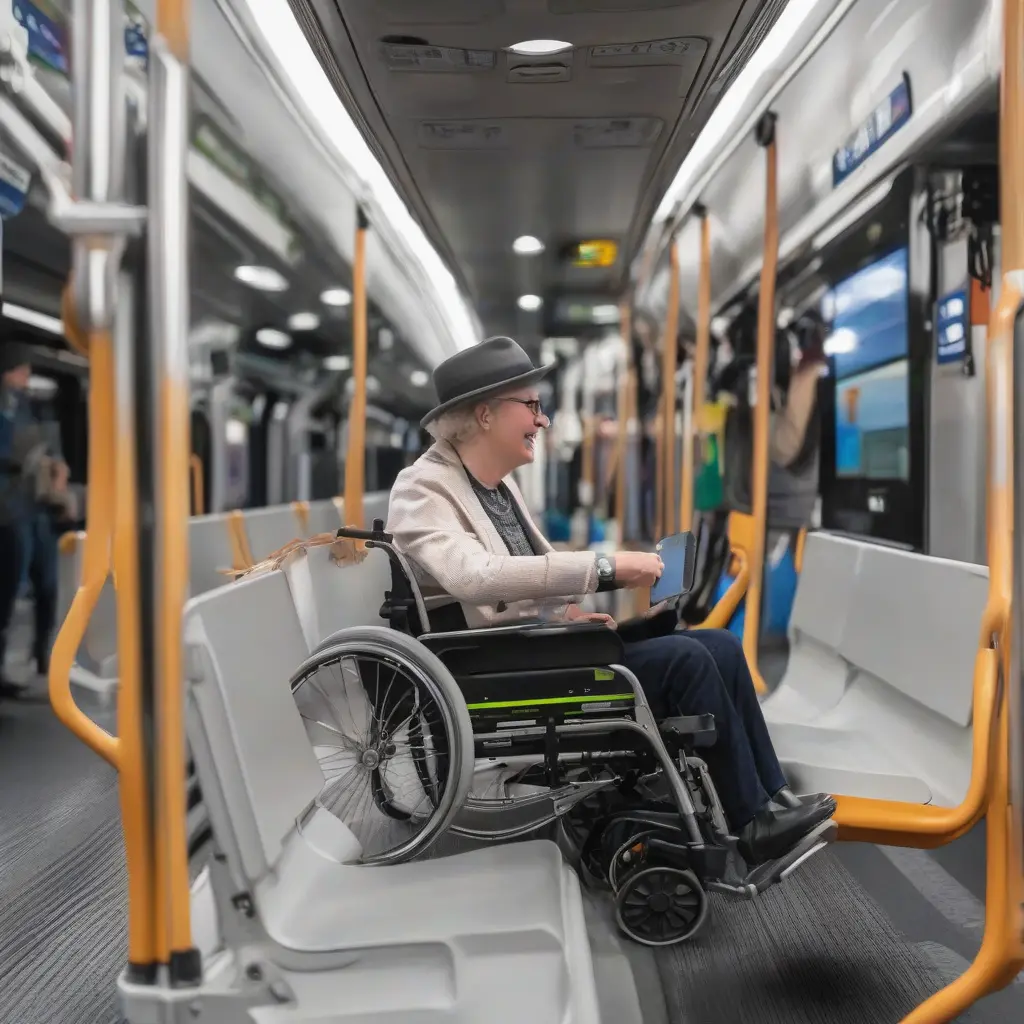
Bus delays are an inevitable part of travel that can lead to frustration and wasted time. Understanding how to manage these setbacks is crucial for maintaining your composure and productivity. Whether you’re commuting to work, heading to an appointment, or embarking on a leisurely trip, staying calm during these delays can significantly improve your experience. This article offers practical tips on handling bus delays effectively, so you can turn waiting time into an opportunity, rather than a source of stress.
Stay Informed About Delays
Knowing the real-time status of your bus can help quell anxiety during delays. Utilize transit apps or websites that provide live updates on bus schedules and potential delays. Many public transportation systems have integrated GPS tracking that allows you to see the location and estimated arrival times of buses. By staying informed, you can better plan your waiting time and reduce uncertainty about when your bus will arrive.
Practice Mindfulness Techniques
Practicing mindfulness can be an effective way to manage stress when faced with bus delays. Techniques such as deep breathing, meditation, or simply focusing on your surroundings can help you to remain present. Engaging in mindfulness can reduce feelings of frustration and help you to accept delays as part of the travel experience. By shifting your focus inward, you create a calmer mental space, making it easier to cope with unexpected waits.
Utilize Waiting Time Productively
Instead of viewing bus delays as wasted time, consider them as opportunities for productivity. Carry a book, a mobile device, or a notebook to make use of this downtime. You can read articles, catch up on work, or plan your day. Being proactive during these moments can transform a negative experience into a productive one, allowing you to achieve more even while waiting.
Engage in Light Physical Activity
If you find yourself waiting for an extended period, consider engaging in light physical activity. Stretching or taking a short walk can boost your mood and circulation. Moving around can help release built-up tension from waiting and can reinvigorate your mind for the tasks ahead. Additionally, getting fresh air can enhance your overall sense of well-being, making the delay feel less burdensome.
Connect with Fellow Travelers
Bus delays can be an excellent opportunity to connect with fellow travelers. Engaging in light conversation or sharing experiences with others waiting for the same bus can build a sense of community. You might find camaraderie in shared frustrations or learn valuable travel tips from someone else’s experiences. Social interactions can help pass the time and make delays feel more pleasant.
Plan Ahead for Delays
One effective strategy for handling bus delays is to plan your journey with potential setbacks in mind. By allowing extra time in your travel schedule, you can reduce the stress of rushing. Factor in possible delays before scheduling appointments or events. This foresight can also give you the space to use delay time wisely rather than feel pressured by looming deadlines.
Prepare for Unexpected Scenarios
Sometimes delays can lead to unexpected scenarios, like missing a connection or being late for an appointment. Having a backup plan can be beneficial. Familiarize yourself with alternative routes, bus schedules, and transportation options nearby. Being prepared for contingencies will make you feel more equipped to deal with the unexpected, thereby reducing anxiety and keeping your trip on track.
Use Technology Wisely
Technology can be a powerful ally in managing bus delays. Utilizing apps for navigation, reading, or relaxation can enhance your waiting experience. Explore productivity tools, such as document-editing software or note-taking apps, to keep you engaged and organized. These digital resources can ensure that you remain productive and focused, turning unanticipated downtime into valuable time.
Stay Calm and Positive
Maintaining a positive mindset during delays can drastically improve your experience. Instead of dwelling on frustration, try to see the delay as an opportunity to pause and reflect. Encouraging internal dialogue can shift your perspective towards a more optimistic outlook. A positive attitude can help ease your stress levels and allow you to enjoy your commute, whatever the circumstances may be.
Practice Patience
Cultivating patience is an essential skill when traveling by bus. Remind yourself that delays are often beyond your control, and getting upset won’t change the situation. Accepting that patience is a necessary part of public transportation can help reduce your frustration. This mindset can improve not only your travel experience but also your interactions with fellow passengers and transit staff.
Conclusion
Handling bus delays effectively requires a blend of preparation, mindset shifts, and productive use of waiting time. By employing the tips discussed, you can remain calm and even turn delays into opportunities for growth or productivity. Understanding how to navigate these setbacks can lead to more enjoyable and less stressful travel experiences.